Orthopedic care in China

Chenxi Medical helps international patients connect with orthopedic resources in China, including record organization, specialist review coordination, and travel arrangements.

Records first, travel decision second · Physician, hospital, and costs are confirmed case by case

This page uses orthopedics to illustrate specialist coordination. For other specialties, return to the service options. Arrangements are confirmed case by case. See all service options

Orthopedic treatment in China

We organize records by condition, then match suitable orthopedic specialists and hospitals.

Orthopedic care covers degenerative joint disease, spinal conditions, sports injuries, pediatric skeletal deformity, and complex revision assessment after previous surgery when symptoms persist, recovery is limited, or implant-related problems arise.

For selected joint replacement, spinal, and complex revision cases, physicians may consider image navigation, robotic positioning, preoperative modeling, 3D printing, or enhanced recovery protocols. Whether a technique is suitable and whether it offers benefit must be determined by the physician from the individual case. It should not be understood as a guarantee of outcome.

Areas that may be considered: digital and robotic orthopedics · minimally invasive techniques · complex revision · spinal and limb deformity correction · sports medicine · enhanced recovery after surgery (ERAS)

Orthopedic second opinion

Before deciding whether to have surgery or which procedure to choose, an independent specialist opinion is a common and reasonable step. An orthopedic second opinion is based on existing imaging and records; it does not replace the treating physician's decision.

Typical situations: Surgery has been recommended but you have not decided · You have questions about the diagnosis or surgical plan · You want to compare options across health systems · A complex case needs specialist input

Joint replacement

For some patients with advanced knee, hip, or shoulder disease, joint replacement may be an option to restore function and reduce pain. Suitability, implant choice, surgical approach, and whether to stage the procedure require specialist assessment. Some large centers manage a high volume of cases, but this does not mean every case should be treated at the same hospital.

Procedures include: Total knee replacement · Total hip replacement · Shoulder replacement · Ankle replacement · Unicompartmental knee replacement · Simultaneous bilateral hip / knee replacement · Robotic-assisted hip / knee replacement

Spinal surgery

The diagnosis and surgical indications for lumbar, cervical, and spinal deformity conditions vary widely, and not every abnormal image requires surgery. Endoscopic, UBE, or navigation techniques may be used in selected cases, but suitability and potential benefit must be judged by the physician.

Procedures include: Spinal fusion · Lumbar disc replacement · Cervical spine surgery · Scoliosis correction · Minimally invasive endoscopic spinal surgery · Robot-navigated precision surgery

Sports medicine and arthroscopy

Selected ligament, meniscal, rotator cuff, and instability cases may be treated with arthroscopy, while other cases may be better managed with rehabilitation. Recovery time varies with the injury, procedure, work or sport demands, and adherence to rehabilitation.

Procedures include: ACL / PCL / MCL reconstruction · Meniscal repair · Rotator cuff repair · Shoulder stabilization · Ankle ligament reconstruction · Cartilage repair · Arthroscopic exploration and debridement

Complex pediatric orthopedics and limb deformity correction

Children and adolescents are still growing, so assessment and treatment must consider growth potential, deformity progression, and long-term function. These cases often require a specialist team, multidisciplinary collaboration, and long-term rehabilitation support.

Procedures include: Pediatric and adolescent scoliosis correction · Developmental dysplasia of the hip correction · Cerebral palsy orthopedic surgery · Severe limb deformity correction

Complex cases and revision surgery

Patients with persistent symptoms, limited recovery, or new problems after previous orthopedic surgery may need further specialist assessment and, where appropriate, revision surgery. Complex cases place high demands on team experience and hospital capacity.

Procedures include: Joint replacement revision · Spinal revision surgery · Prosthetic joint infection management · Bone defect reconstruction · Reconstruction after complex trauma

An optional second opinion

If you have questions about an existing diagnosis or recommendation, confirm the scope and fee of an orthopedic second opinion before deciding whether to arrange one.

  • A written or video second opinion from a Chinese specialist based on your records
  • Better understanding of your diagnosis, test results, and treatment recommendations
  • Clarity on whether to continue local care, add records, or seek further specialist assessment
  • If in-person assessment is advised, continued coordination for a medical journey to China
  • A second opinion does not replace an in-person consultation, formal diagnosis, or treatment decision, and does not guarantee a specific physician or outcome

How we coordinate care

Chenxi Medical helps international orthopedic patients organize imaging and records, coordinate specialist review in China, match suitable hospitals and specialty teams, and manage the path from first consultation to travel and follow-up.

Record organization

We help collect and organize existing imaging, test reports, and medical records, check completeness, and prepare them in a form Chinese orthopedic specialists can review.

Remote specialist review

We coordinate an independent review by an orthopedic specialist based on existing records, with a written assessment and direction for possible next steps.

Hospital and specialist matching

Based on the condition and records, we match suitable hospitals and specialty teams and outline possible treatment pathways, reference cost ranges, and admission arrangements.

Travel and care coordination

We help coordinate hospital appointments, in-person consultations, and treatment steps, assist with entry documents, and arrange reception and on-site accompaniment.

Medical document translation

We help collect, organize, and translate relevant documents, including test reports, surgical records, discharge summaries, and insurance claim materials.

Follow-up after returning home

We follow up on recovery, coordinate and remind you about review plans, and can arrange remote rehabilitation assessment with an orthopedic specialist where needed.

Orthopedic specialist reference

The following public information is shown to explain possible specialty matches; it is not a promise of an appointment or surgery. Hospital, title, and licensing information should be checked against the hospital's latest public listing. Medical opinions remain subject to formal assessment by the physician or institution.

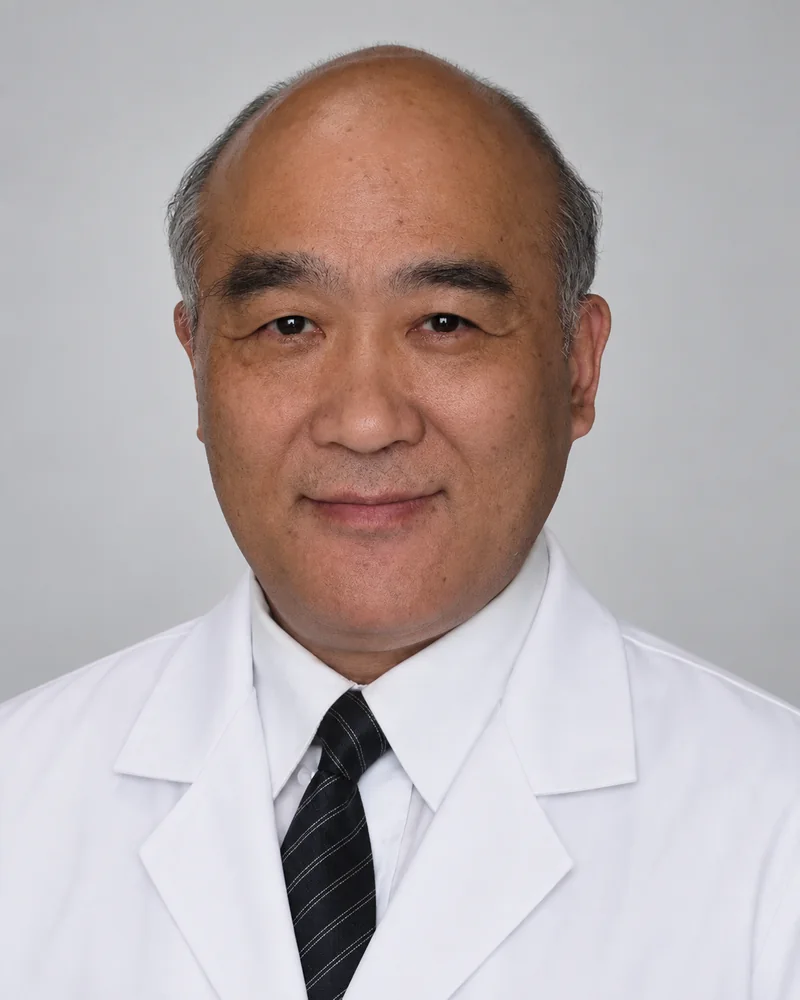
Ye Zhaoming

Ye Zhaoming

Second Affiliated Hospital, Zhejiang University School of Medicine
Chair, Orthopedics Branch, Zhejiang Medical Association · Director, Orthopedics Research Institute, Zhejiang University

Areas of expertise: Bone and soft-tissue tumors; pelvic, spinal, and sacral tumors; tumor resection and functional reconstruction.

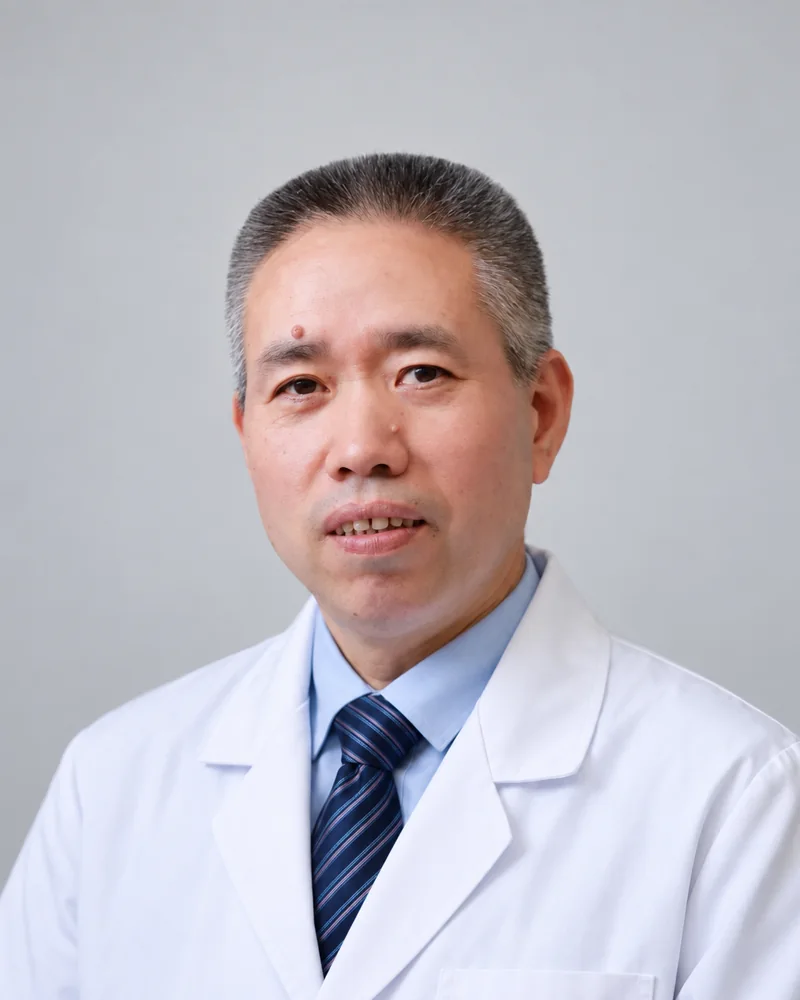
Hu Yihe

Hu Yihe

First Affiliated Hospital, Zhejiang University School of Medicine
Director and Discipline Leader, Department of Orthopedics

Areas of expertise: Hip and knee replacement and revision; repeat revision after failed arthroplasty; ankylosing spondylitis with joint fusion; adult developmental dysplasia of the hip.

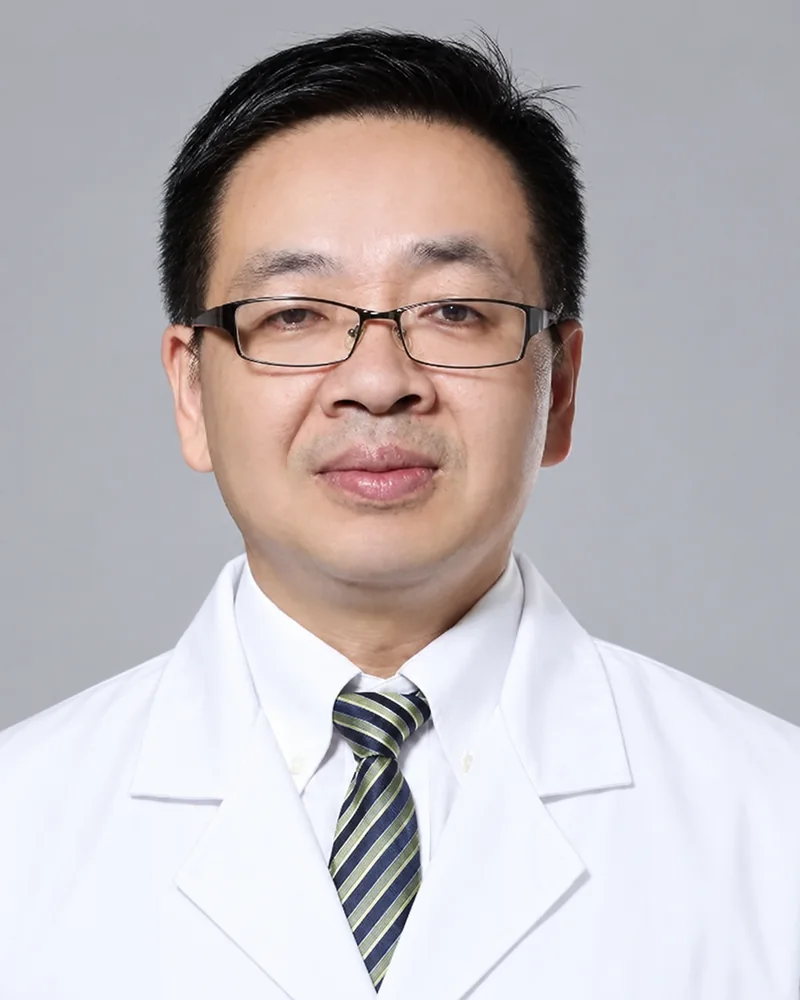
Yang Disheng

Yang Disheng

Second Affiliated Hospital, Zhejiang University School of Medicine
Vice Chair, Orthopedics Society of Zhejiang Province

Areas of expertise: Spinal and limb deformity correction; congenital scoliosis; clubfoot; developmental dysplasia of the hip; complex deformity correction.

Fan Shunwu

Fan Shunwu

Sir Run Run Shaw Hospital, Zhejiang University School of Medicine
Founding Director and Discipline Leader, Department of Orthopedics · Former Chair, Orthopedics Branch, Zhejiang Medical Association

Areas of expertise: Minimally invasive spine surgery; degenerative spinal conditions including lumbar disc herniation, lumbar spinal stenosis, and cervical spondylosis; complex spinal disorders.

Before treatment

Countries differ substantially in billing rules, referral systems, and insurance arrangements. Comparing one headline price can be misleading. The table below explains pathways and information that must be verified; it is not a quotation.

Costs, waiting times, and hospital stays vary by country, hospital, procedure, implant, and insurance pathway. Some cases may have a different cost structure in China, but the case must be reviewed and the hospital must provide the actual quote.

Country / region Cost components Waiting and scheduling Verify before deciding
China Charges may include consultations, imaging, surgery, anesthesia, ward, medication, and rehabilitation. Implants and consumables may be billed separately. The hospital's formal quote controls. Some large hospitals can arrange specialty assessment by appointment. Actual scheduling depends on clinic times, imaging, beds, preoperative tests, and clinical priority. Hospital credentials and surgeon assignment, implant brand and cost, length of stay, complication management, review schedule, and follow-up plan.
United States Hospital, surgeon, anesthesia, implants, imaging, facility, and post-operative care may be billed separately. Insurance networks and out-of-pocket costs affect the total. Specialist access varies widely. Insurance authorization, hospital scheduling, and in-network physician availability can directly affect the surgery date. Network coverage and out-of-pocket maximum, separate hospital and physician billing, implant coverage, and whether rehabilitation is included.
United Kingdom Public and private pathways use different billing rules. A private quote may or may not include the surgeon, anesthesia, hospital stay, and follow-up; each item must be checked. Public care usually requires GP referral, triage, and a waiting list. Private care may be faster, subject to the private quote and physician availability. Pathway choice, waiting list, what the private quote includes, separate physician and hospital charges, and review and rehabilitation arrangements.
Canada Public coverage, non-resident eligibility, and private availability vary by province. A single national price cannot represent the actual cost. Care often begins with a family physician referral, followed by imaging, specialist consultation, and public-hospital scheduling. Priority differs by province and clinical urgency. Provincial coverage eligibility, non-resident charges, referral and waiting process, and whether a private or cross-border option is needed.
Australia Public and private systems operate together. Private insurance, hospital, surgeon, and ancillary services may be billed separately, with substantial variation in out-of-pocket cost. Public care may involve referral and waiting lists. Private care depends on physician and hospital availability and should be confirmed in advance. Medicare or insurance eligibility, gap payments, hospital and physician fees, rehabilitation services, and interstate care arrangements.

What the total cost includes

Surgery, anesthesia, ward, tests, medication, implants, consumables, rehabilitation, and complication care must be checked item by item. A hospital quote may not include third-party costs.

What creates the waiting time

Specialist appointments, imaging, preoperative assessment, bed availability, insurance approval, visas, and travel all affect timing. One scheduling number does not represent the whole preparation process.

What determines the stay in China

The procedure, hospital stay, complication risk, suture or review timing, physical condition, and flight requirements all affect the stay. The physician and hospital must confirm it case by case.

Why a general “success rate” is misleading

Diagnosis, severity, comorbidities, physician experience, hospital resources, and rehabilitation all affect outcomes. A single percentage cannot represent the expected result for an individual patient.

Organize the records before verifying a pathway

The more complete the records, the more specific the physician's opinion can be, with fewer rounds of missing information.

  • Imaging: original X-ray, CT, and MRI files (DICOM preferred), with the matching reports
  • Tests and laboratory reports: recent blood work, ECG, cardiac and pulmonary results relevant to surgery
  • Prior records: surgical notes, discharge summaries, pathology reports, implant details
  • Current status: main symptoms, medication, allergies, comorbidities, and functional limits
  • Local recommendation: the diagnosis and treatment plan from the treating physician
  • Practical factors: budget, insurance, visa, available length of stay, and accompanying family
  • The 3–5 questions you most want answered

This page does not provide a universal quote, fixed waiting time, or general “success rate.” Every cost, schedule, and length of stay must be confirmed from the records, hospital quote, and physician arrangements. Nothing here is a guarantee of outcome. Where other pages cite a specific figure, the source (hospital quote, National Immigration Administration notice, or public statistics), the basis of the number, and its scope of application are stated alongside it.

Tests and travel arrangements

Confirm imaging, costs and insurance arrangements individually, then plan travel after hospital confirmation.

  • Whether MRI and X-ray can be completed on the same visit depends on hospital scheduling, the body area, and that day's capacity
  • Imaging fees and reporting times depend on the hospital's current pricing and workflow; no universal price is promised
  • We can explain insurance documentation requirements; direct billing, coverage, and claim outcomes are confirmed by the insurer and hospital
  • For an emergency, progressive neurological deterioration, or a condition requiring immediate care, contact local emergency or medical services first

Start the conversation today

We help organize the orthopedic pathway, coordinate suitable medical resources, and explain the boundaries between our service fees, hospital charges, and third-party costs.

Contact us